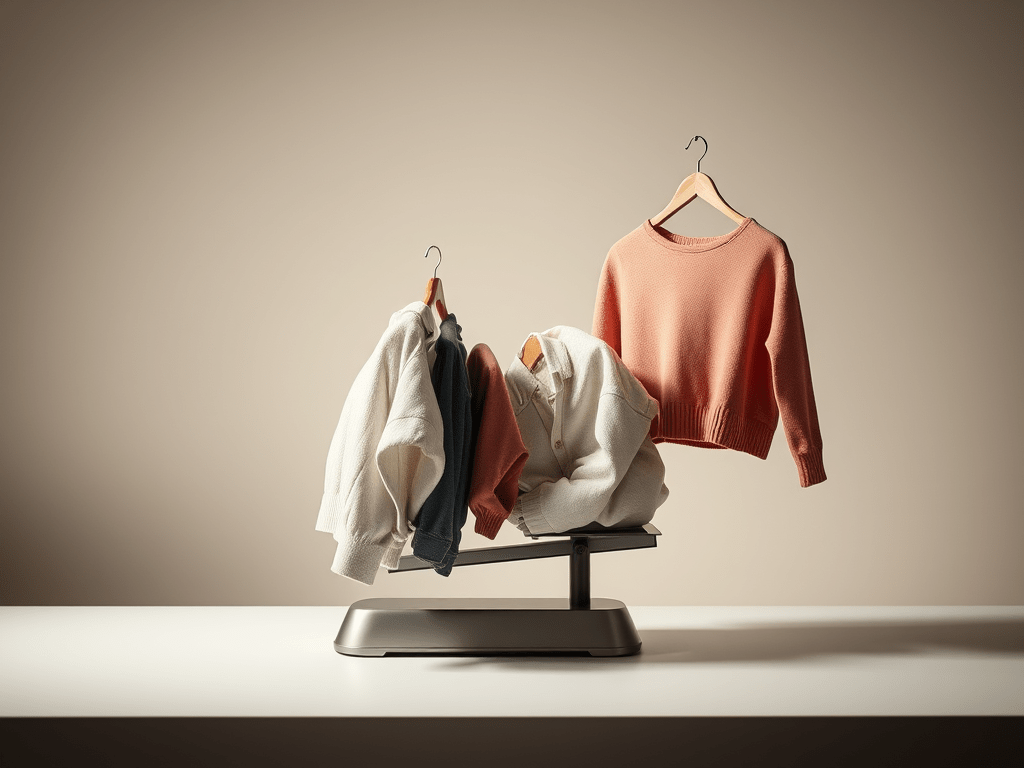
What is it that defines the value of something, is it the cost that it takes to make it, or the price that people will be willing to pay for it at the market, is it the prestige of the object or the perception it will create in others of the value of the owner of it? I must admit to being rather confused by it all.
A thing has an exchange value that is determined by the circumstances of its need, if everyone has a doohickie for a thingamabob, then that doohickie will be worth very little because it is widely available to all that want it. If a thing is rare then of course it has a higher value. If a thing is abundant yet has limited availability in these particular settings then it will rise in value temporarily. But things are defined as units of certain sizes, we would expect a litre of water to have a high value in a desert, but we would expect two litres of water to have an even higher value than one. This is normal. So why is there one aspect of economics where this simply isn’t true?
My Fiancé is petite, small, slim. Her clothes are made from much less material than the clothes made for much larger people, yet they are the same price, and in many cases actually more expensive. Let’s break it down into it’s component parts…
I used to work in the garment industry, I was a cutter. I know that a lay (a length of cloth that has a fixed width and is layered one upon another), has a static price per meter, I also know that smaller sized garments take up less room on a plot (a computerised fitting of the component parts of a garment onto a pattern that determines the length of the lay) and that means that they are in this aspect cheaper to produce. I also know that they require less stitches to hold them together, so they require less time to construct. They require less time to iron, and examine to pass QA simply because they are smaller. They incur less transport costs because they are of course lighter. They require less room in the stock room of the seller.
So why are smaller sized clothes sold at the same price as their larger versions? Why do larger sized people not pay more for larger versions of these garments, and for shoes also? Can you think of any other purchase item, and it has to be the same item not a substitute, that when you increase the volume you buy, forgetting about the effect of discounts, the price does not increase?

 pinkfloydpsw's Blog
Leave a comment